
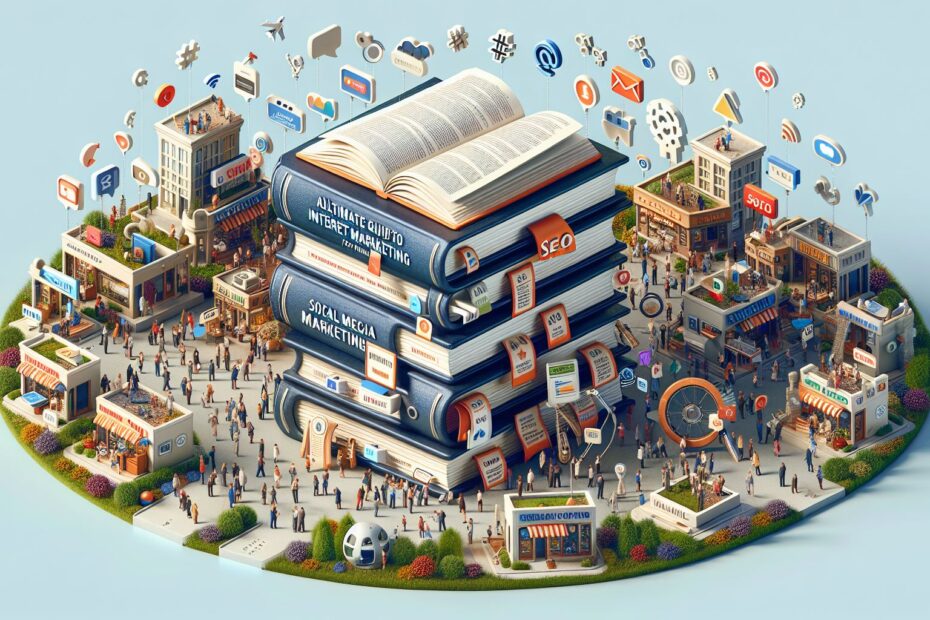
In today’s digital age, having a strong online presence is crucial for the success of any small business. With consumers turning to the internet to research products and services, it’s more important than ever for small business owners to implement effective internet marketing strategies. Whether you’re just starting out or looking to expand your current online marketing efforts, this guide will help you navigate the world of internet marketing and drive growth for your business.
Understanding Internet Marketing
Internet marketing, also known as online marketing or digital marketing, encompasses a wide range of strategies and tactics that businesses use to promote their products or services online. From social media marketing and search engine optimization (SEO) to email marketing and pay-per-click advertising, there are countless ways to reach your target audience and drive traffic to your website.
Developing a Solid Internet Marketing Strategy
Before diving into the world of internet marketing, it’s important to develop a solid strategy that aligns with your business goals. Start by identifying your target audience and understanding their needs and preferences. This will help you tailor your marketing efforts to appeal to the right people and drive conversions.
Next, identify which online marketing channels are most effective for reaching your target audience. For example, if your target audience spends a lot of time on social media, you may want to focus on building a strong presence on platforms like Facebook, Instagram, and Twitter. If your goal is to improve your website’s visibility in search engine results, then investing in SEO may be the right choice for you.
Leveraging Social Media
Social media has become an essential tool for small businesses looking to connect with their target audience and build brand awareness. With billions of active users on platforms like Facebook, Instagram, and LinkedIn, social media offers a unique opportunity to engage with potential customers and drive traffic to your website.
To make the most of your social media marketing efforts, it’s important to create high-quality content that resonates with your target audience. Whether it’s sharing valuable blog posts, showcasing your products or services, or running promotions and contests, make sure your content is relevant, engaging, and shareable.
Optimizing Your Website for Search Engines
SEO plays a crucial role in driving organic traffic to your website and improving your online visibility. By optimizing your website for search engines, you can increase your chances of ranking higher in search engine results pages (SERPs) and attracting more qualified leads to your site.
Start by conducting keyword research to identify the terms and phrases that your target audience is searching for online. Use these keywords strategically in your website content, meta tags, and URLs to make it easier for search engines to crawl and index your site.
Harnessing the Power of Email Marketing
Email marketing is a cost-effective and efficient way to reach your target audience directly and drive conversions for your business. By building an email list of subscribers who have opted in to receive communications from you, you can send personalized messages, promotions, and updates that keep your audience engaged and informed.
When creating email campaigns, focus on providing value to your subscribers and offering them incentives to take action, such as discounts, exclusive offers, or free resources. By delivering relevant and timely content to your email list, you can nurture leads and convert them into loyal customers over time.
Measuring Success and Adjusting Your Strategy
As you implement internet marketing strategies for your small business, it’s important to track your progress and measure the effectiveness of your efforts. Use tools like Google Analytics to monitor website traffic, conversion rates, and other key performance indicators (KPIs) to gain insights into what’s working and what’s not.
Based on your findings, be prepared to adjust your internet marketing strategy accordingly. If certain tactics aren’t delivering the desired results, consider trying new approaches or experimenting with different channels to see what resonates with your audience.
Conclusion
Internet marketing is a powerful tool that small business owners can use to reach their target audience, drive traffic to their website, and grow their business online. By understanding the fundamentals of internet marketing and developing a solid strategy that aligns with your business goals, you can leverage the power of online marketing to attract new customers and drive growth for your small business. Remember to stay informed of the latest trends and best practices in internet marketing, and be willing to adapt and evolve your strategy as needed to stay ahead of the competition. With the right approach and a commitment to continuous improvement, you can achieve success in the world of internet marketing and take your small business to new heights.