
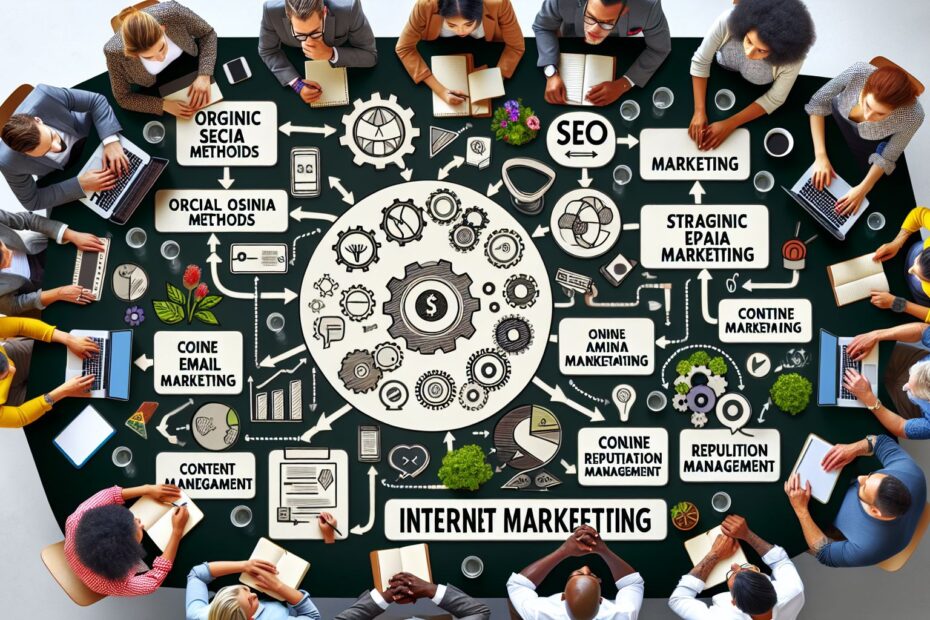
The digital age has revolutionized the way businesses operate, and small business owners need to adapt to these changes to stay relevant in today’s competitive market. Internet marketing, also known as online marketing, offers cost-effective and powerful solutions to promote your small business. In this blog post, we will discuss some effective internet marketing strategies that can help small business owners thrive in the digital world.
Why Internet Marketing Matters?
In the past, traditional marketing methods such as print ads, billboards, and television commercials were the go-to options for small business owners. While these methods are still valuable, they can be expensive and less effective than internet marketing techniques.
Internet marketing offers various advantages like low costs, extensive reach, precise targeting, and measurable results. By leveraging digital channels such as search engines, social media platforms, email marketing, and content marketing, small business owners can reach their target audience more effectively.
Creating a Professional Website
In today’s digital age, having a professional website is a necessity for every business. Your website serves as your online storefront, allowing potential customers to learn more about your small business and its offerings. It should be visually appealing, user-friendly, and optimized for mobile devices.
Ensure that your website provides clear information about your products or services, contact details, and a call-to-action to encourage visitors to become customers. Regularly updating your website with fresh and engaging content will not only improve search engine rankings but also attract more visitors.
Search Engine Optimization (SEO)
Search Engine Optimization (SEO) is a crucial aspect of internet marketing. It helps improve your website’s visibility in search engine results, making it easier for potential customers to find you. Begin by researching relevant keywords that your target audience is likely to search for.
Integrate these keywords naturally into your website’s content, meta tags, headings, and image alt tags. Other important SEO factors include having a mobile-friendly website, optimizing page loading speed, and building quality backlinks from reputable websites.
Content Marketing
Content marketing focuses on creating and distributing valuable and relevant content to attract and retain your target audience. It enables small business owners to showcase their expertise, build credibility, and engage with potential customers. By consistently creating high-quality content, you can establish yourself as a trusted authority in your industry.
Utilize various forms of content, such as blog posts, videos, infographics, and podcasts, to diversify your outreach. Share your content on social media platforms, industry forums, and other relevant websites to maximize its reach.
Social Media Marketing
Social media platforms have become powerful marketing tools for businesses of all sizes. With billions of active users, platforms like Facebook, Instagram, Twitter, and LinkedIn offer immense potential to connect with your target audience. Create social media profiles for your small business and regularly post engaging content.
Focus on building a community around your brand by interacting with your followers, responding to comments, and sharing user-generated content. Social media advertising can also provide a highly targeted and cost-effective way to reach new customers.
Email Marketing
Email marketing remains one of the most effective ways to engage with your audience and generate leads for your small business. Building an email subscriber list allows you to communicate directly with people who have shown interest in your products or services. Offer valuable incentives, such as exclusive discounts, informative newsletters, or free resources, in exchange for their email addresses.
Segment your email list based on specific criteria, such as demographics or previous purchases, to deliver personalized and relevant content. Use automation tools to schedule and send targeted email campaigns, saving you time and effort.
Conclusion
Embracing internet marketing strategies is essential for small business owners looking to thrive in today’s digital landscape. By creating a professional website, optimizing for search engines, leveraging content marketing, utilizing social media platforms, and engaging in email marketing, you can effectively promote your small business, reach your target audience, and increase your customer base.
Remember, internet marketing is an ongoing process that requires continuous testing and improvement. Stay updated with the latest trends and technologies to make the most of your online marketing efforts. With dedication and a well-executed internet marketing strategy, your small business can achieve remarkable success in the digital world.