
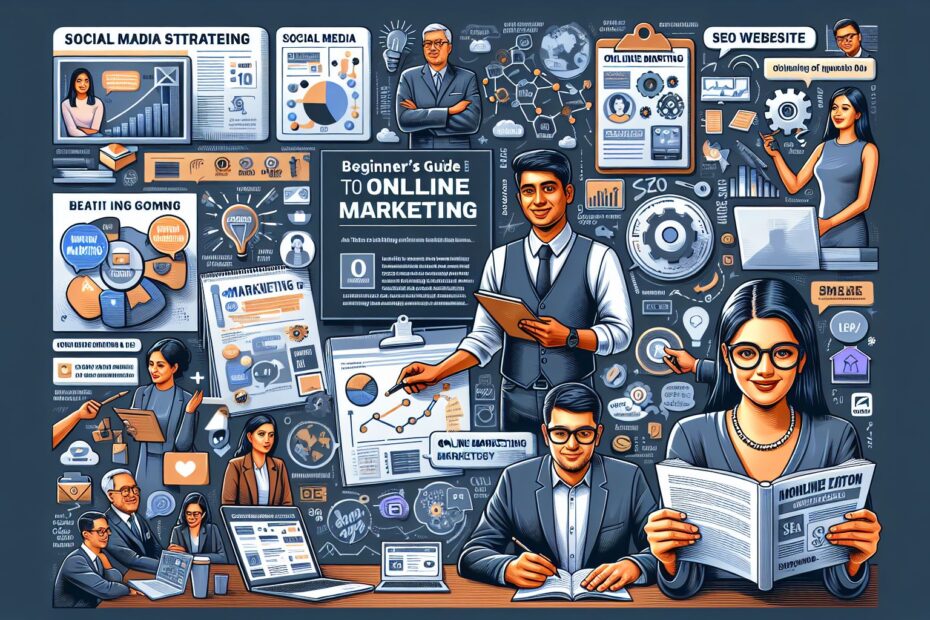
So, you finally decided to take the plunge and bring your business online. Congratulations! This is a big step and can be a game-changer for your brand. But, where do you start when it comes to marketing your business online? With so many options and strategies available, it can be overwhelming for a beginner. Don’t worry, though. In this post, we’ll break down the basics of online marketing for business owners like you.
Getting Started: Define Your Goals
Before you dive into the world of online marketing, you need to have a clear understanding of what you want to achieve. Are you looking to increase brand awareness? Drive more traffic to your website? Generate more leads? Defining your goals will help you choose the right strategies and tactics to reach them.
Know Your Audience
One of the key elements of successful online marketing is knowing your target audience. Who are your ideal customers? What are their interests, preferences, and pain points? The more you know about your audience, the better you can tailor your marketing efforts to resonate with them.
Create a Strong Online Presence
Having a strong online presence is crucial for any business operating in the digital age. Start by creating a professional website that showcases your products or services. Make sure it is user-friendly, mobile-responsive, and optimized for search engines. Don’t forget to set up social media profiles on platforms like Facebook, Instagram, Twitter, and LinkedIn.
Content is King
In the world of online marketing, content is king. Providing valuable, relevant, and engaging content is essential for attracting and retaining customers. Create a blog on your website where you can share industry insights, tips, case studies, and other valuable information. You can also create videos, infographics, podcasts, and other types of content to keep your audience engaged.
Search Engine Optimization (SEO)
Search Engine Optimization (SEO) is the process of optimizing your website to rank higher in search engine results pages. This can help drive organic traffic to your site and increase your visibility online. Make sure to use relevant keywords, optimize your meta tags, headers, and images, and create high-quality content that is valuable to your audience.
Pay-Per-Click Advertising
Pay-Per-Click (PPC) advertising is a great way to drive targeted traffic to your website. With PPC ads, you only pay when someone clicks on your ad, making it a cost-effective marketing strategy. Platforms like Google Ads and social media advertising on Facebook and Instagram offer PPC advertising options that can help you reach your target audience.
Email Marketing
Email marketing is still one of the most effective ways to reach your audience. Build an email list of subscribers who have expressed interest in your products or services and send them regular updates, promotions, and offers. Personalize your emails to make them more engaging and relevant to your audience.
Analyze and Adjust
Finally, it’s important to analyze the performance of your online marketing efforts and make adjustments as needed. Use tools like Google Analytics to track website traffic, conversions, bounce rates, and other key metrics. Monitor the success of your campaigns and make data-driven decisions to optimize your marketing strategies.
In conclusion, online marketing can be a powerful tool for business owners to reach and engage with their target audience. By defining your goals, knowing your audience, creating quality content, optimizing for search engines, and leveraging various marketing channels, you can effectively grow your online presence and drive business results. Remember, online marketing is a marathon, not a sprint. Stay consistent, be patient, and you will see results over time. Good luck!